
5 Reasons Why SAMBO Made History at the Central American Games
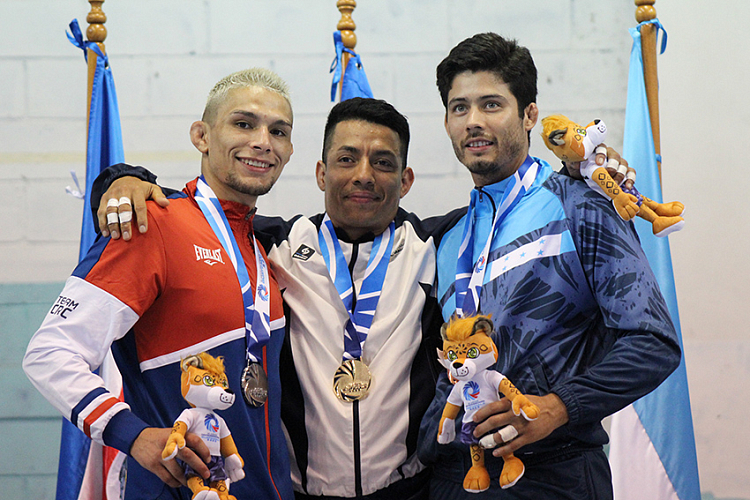
The SAMBO competitions at the XII Central American Games, held on October 26 in Tegucigalpa, Honduras, became a true milestone in the sport’s regional journey. Making its debut as a full-fledged discipline in the official Games program, SAMBO delivered impressive results and proved its growing importance across Central America. Here’s what made this event so remarkable.
1. Broad Regional Representation
Athletes from Costa Rica, Nicaragua, Honduras, and Panama took part in the tournament. Out of the seven National Olympic Committees that make up the Central American Sports Organization (ORDECA), more than half sent their athletes to compete in SAMBO. This wide representation highlights the sport’s growing recognition and reach throughout the region.
2. From Demonstration to Official Discipline
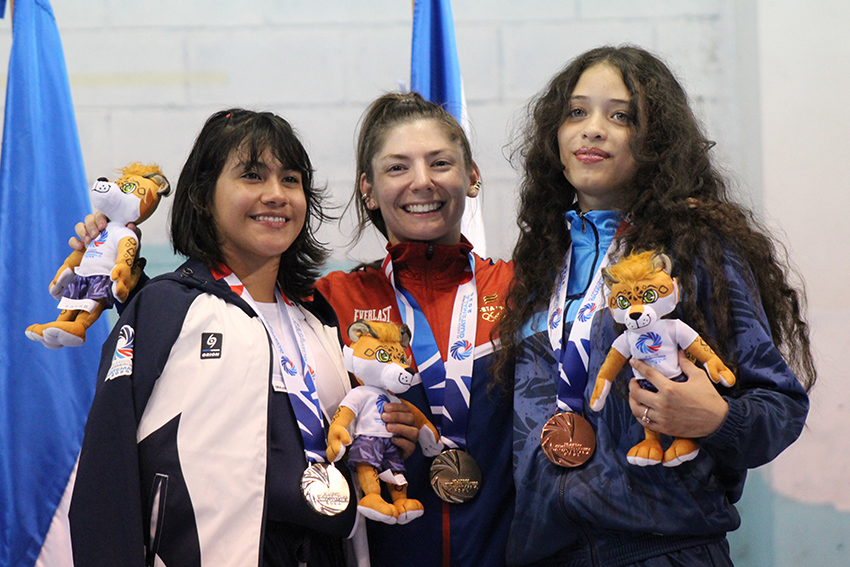
SAMBO’s journey to the Central American Games has been one of consistent progress. Back in 2017, it appeared as a demonstration sport and, according to Eliseo Romero, President of the Pan American SAMBO Union (UPASA), “sparked tremendous interest among spectators and became one of the tournament’s biggest surprises.” Eight years later, SAMBO returned – not as a guest, but as an integral part of the official program.
3. Diversity of Disciplines and Categories
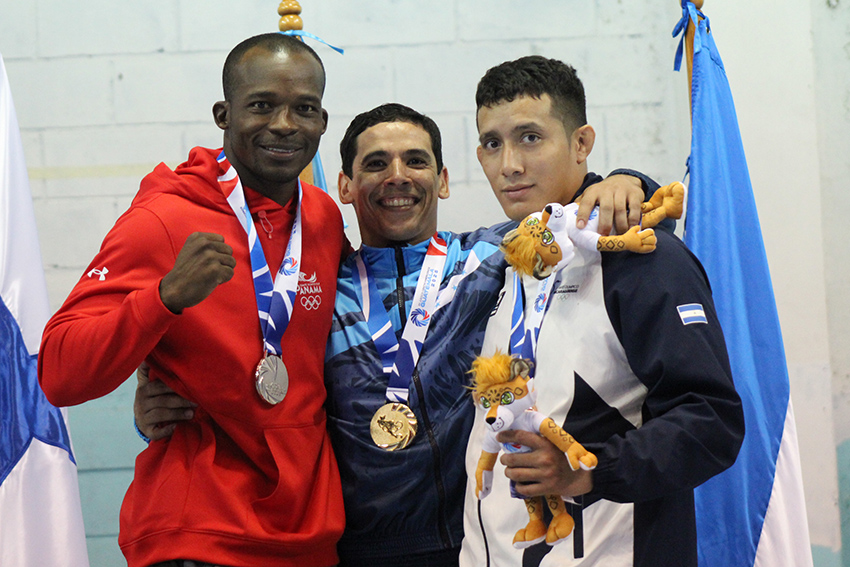
The competition featured both Sport and Combat SAMBO, showcasing the discipline’s versatility. The Sport SAMBO segment offered equal opportunities for men and women across multiple weight divisions, while Combat SAMBO – represented in two men’s categories – brought intensity and excitement, underlining the sport’s practical and dynamic nature.
4. High-Level Competition and Balanced Medal Distribution
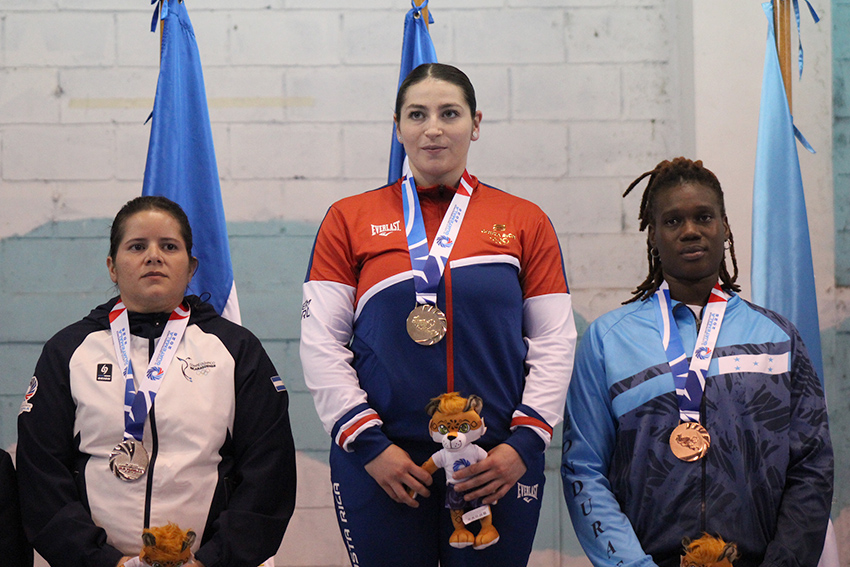
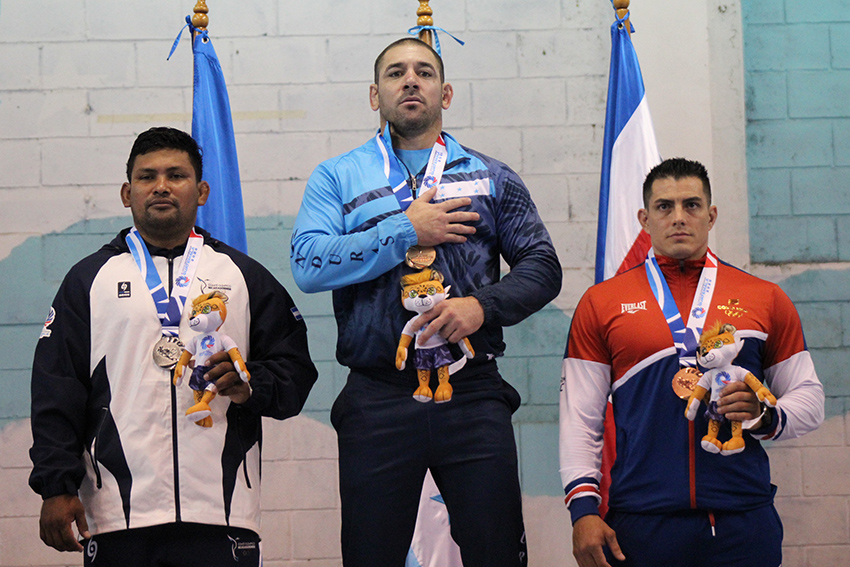
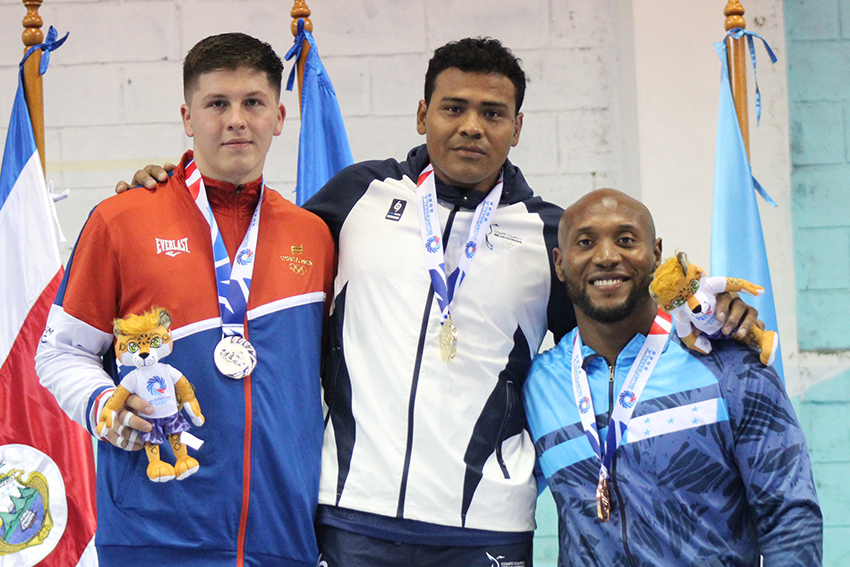
Medals were shared among all four participating nations, reflecting strong competition and the absence of dominance by any single team. Nicaragua and Costa Rica achieved particularly balanced results, earning gold in both men’s and women’s events. Host nation Honduras stood out in the heavier weight categories, while Panama celebrated victories in Combat SAMBO. This even distribution of success demonstrates that Central America now boasts a robust SAMBO landscape with multiple centers of excellence.
5. Strategic Support from Continental Structures
As FIAS President Vasily Shestakov noted, the tournament’s success was the result of “many years of dedicated work by the national federations of Pan America.” Continuous support from both the Pan American SAMBO Union and the International SAMBO Federation has provided a solid foundation for the sport’s growth in the region. The inclusion of SAMBO in the Central American Games program is not a one-time achievement but a natural step in the broader strategy to expand its presence across the Americas.
Looking Ahead
“The debut of SAMBO as an official discipline at the XII Central American Games can be considered an undeniable success,” said Eliseo Romero. “The tournament proved that SAMBO has firmly taken root in Central America and is now a part of the region’s sporting family – opening new horizons for its future development on the continent.”
-
"Overcoming" 5 MayFIAS Backs Adaptive SAMBO Research Project for Children with Autism
-
"Overcoming" 29 AprilScott BAILEY: “What really stood out was the brotherhood you see through sport”
-
Did you see it? 18 DecemberSAMBO Federation Sri Lanka Meets with Minister of Youth Affairs and Sports
- Watch World Beach SAMBO Championships 2026 - Caraguatatuba, Brazil 16 September 2026
-
Competitions 19 SeptemberDraw of Day 2 of the 2026 World SAMBO Cup in Tajikistan
-
Competitions 19 SeptemberResults of Day 1 of the 2026 World SAMBO Cup in Tajikistan
-
Mass media 18 September[LIVE BROADCAST] World SAMBO Cup 2026 in Dushanbe
- Watch World Sambo Championships 2022. Bishkek, Kyrgyzstan 17 November 2022
-
Competitions 19 SeptemberDraw of Day 2 of the 2026 World SAMBO Cup in Tajikistan
-
Competitions 19 SeptemberResults of Day 1 of the 2026 World SAMBO Cup in Tajikistan
-
Mass media 18 September[LIVE BROADCAST] World SAMBO Cup 2026 in Dushanbe