
“Struggle is Our Way of Life”: Adaptive SAMBO Training Held at Luzhniki
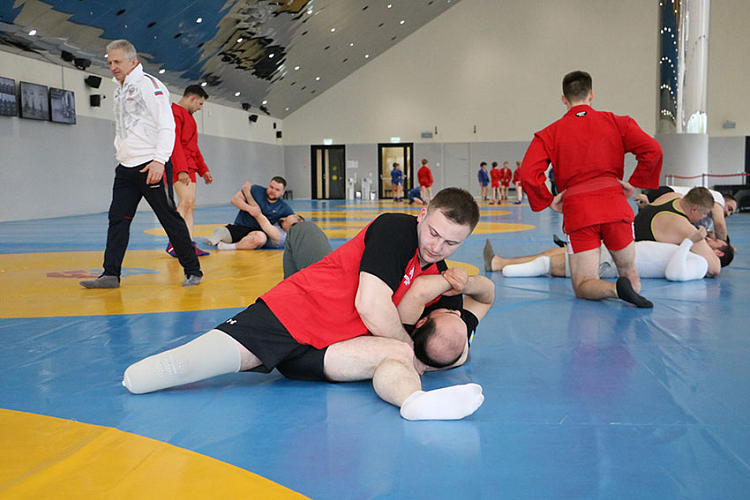
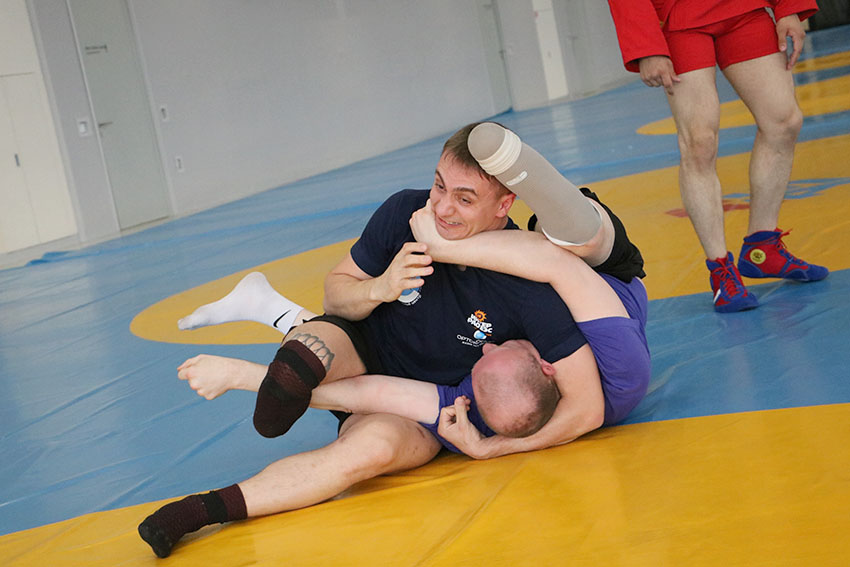
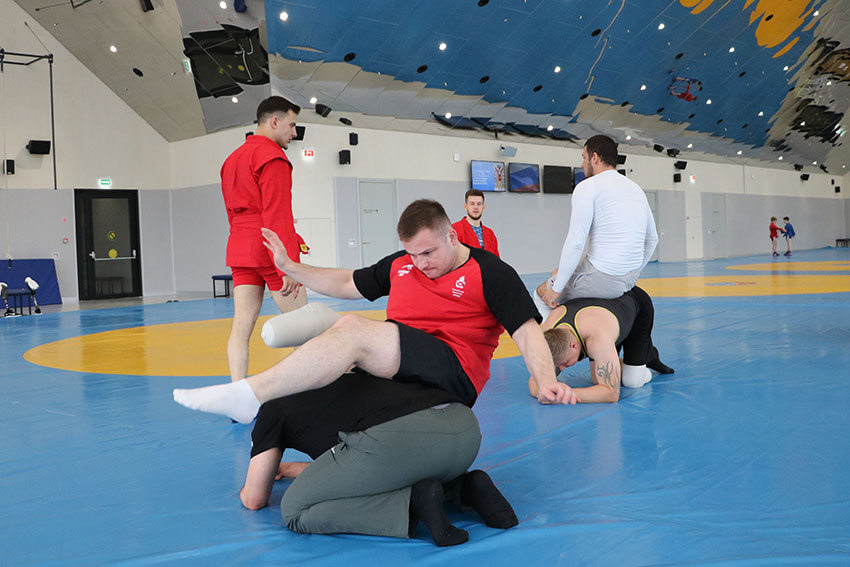
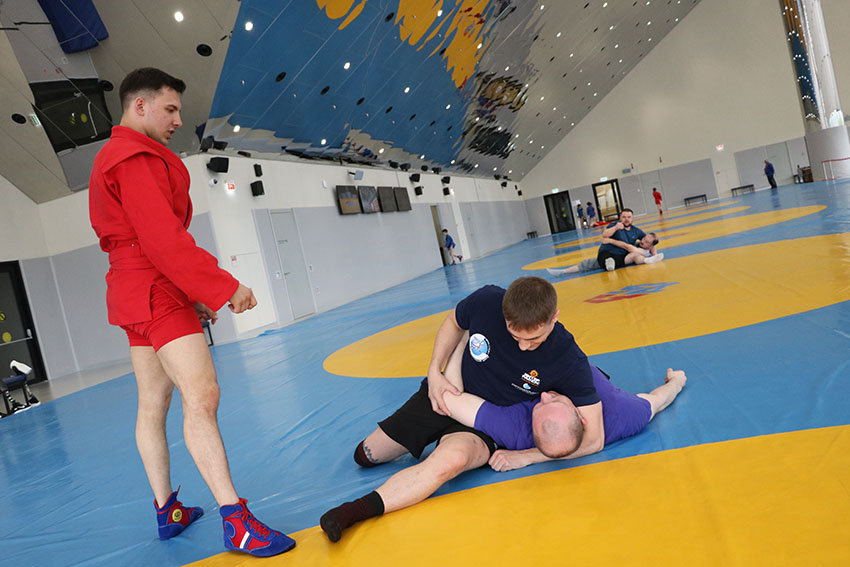
The International SAMBO Federation hosted an open adaptive SAMBO training session for athletes with disabilities. The session took place at the International SAMBO Center at Luzhniki Stadium and brought together a wide range of participants – from seasoned competitors and masters of sport to complete beginners stepping onto the mat for the very first time. The FIAS website sat down with participants to hear about their first impressions, fears, hopes, and why this sport should be accessible to everyone.
Dmitry DROBIN, an adaptive sports specialist and world champion in jiujitsu for athletes with disabilities, served as the group's supervisor and coordinator. Though he no longer competes himself, martial arts have defined his entire life.
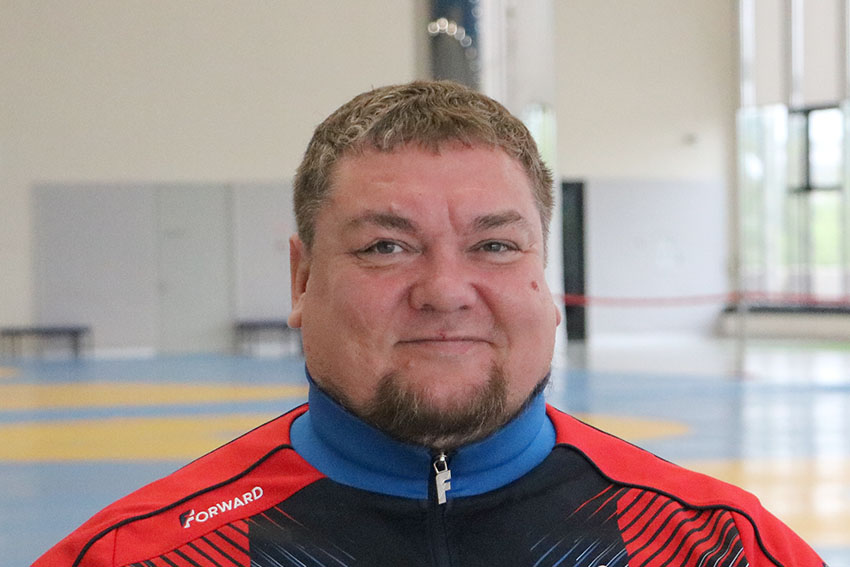
“I used to wrestle freestyle as a kid. When I found out that the International SAMBO Federation wanted to develop an adaptive program, I thought – finally, it's our turn. You look around and see Brazilians, Japanese, Koreans, athletes from all over the world creating adaptive versions of their combat sports. We need to do the same for ours.”
By Dmitry's account, the session exceeded expectations.
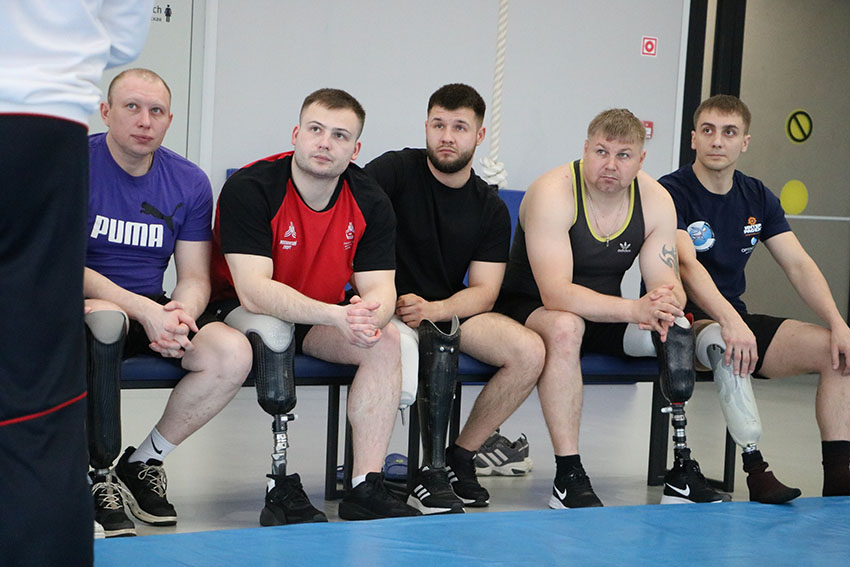
“I knew the guys would show up fired up. A lot of them play sledge hockey – it's an incredibly physical, contact-heavy sport. I'm sure SAMBO will do wonders for their strength and conditioning. The International SAMBO Center has a fantastic facility with modern equipment. The coach and driving force behind this initiative, Sergey Tabakov, really brought the energy – the session was packed with interesting drills, games, stretching, and great stories. Judging by how engaged everyone was, I'd call it a success.”
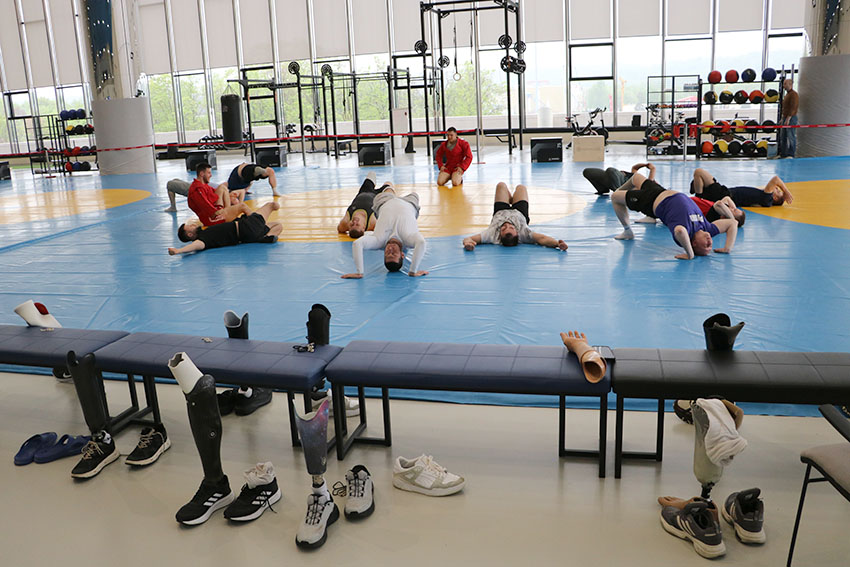
Dmitry was also quick to point out that nobody was pressured into coming.
“We put out an announcement in our groups and the people who showed up did so because they wanted to. No one was dragged here. Everyone left in great spirits – I think most will stick around, and they'll spread the word too. Even if someone only comes once, it leaves a mark. Once that chain reaction starts, the gym will fill up before you know it.”
Vladislav FROLOV trained in SAMBO for several years before his injury.
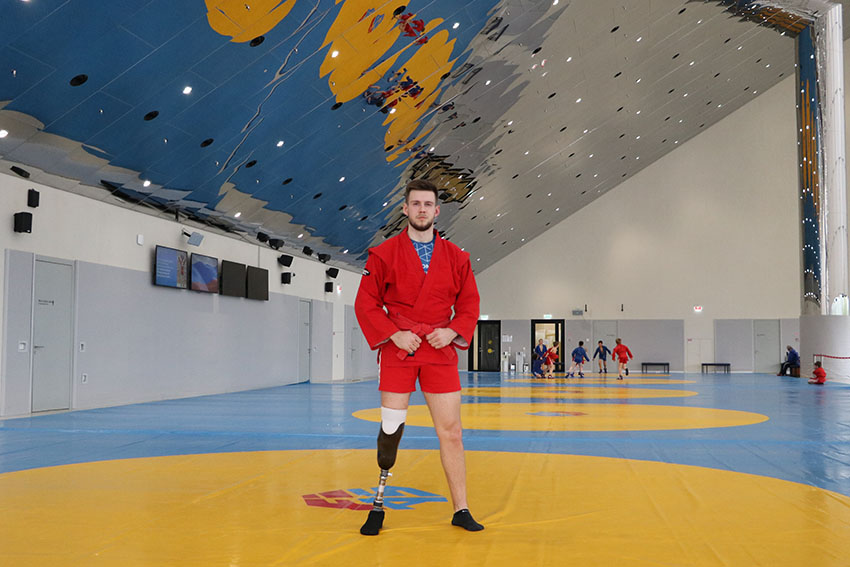
“My technique used to be built around standing work. Now, because of my physical limitations, I have to transition entirely to ground wrestling. Losing one of my two points of support, I genuinely couldn't see how I'd be able to wrestle at all. Today I tried. My feelings are still up in the air. But if the coach says it's possible – I need to keep coming and get used to it. There's a path forward.”
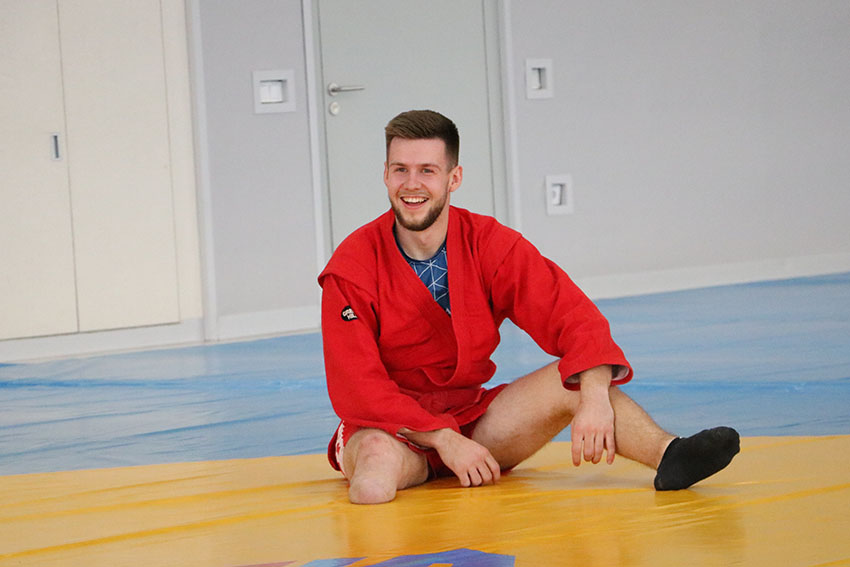
– Will you keep going?
“Yes. I'll make it work around my job – thankfully my boss is fully supportive. I also have some issues with my left leg, but wrestling on my knees on the ground is actually manageable. We'll see. And who knows – maybe competitions one day, maybe even international ones.”
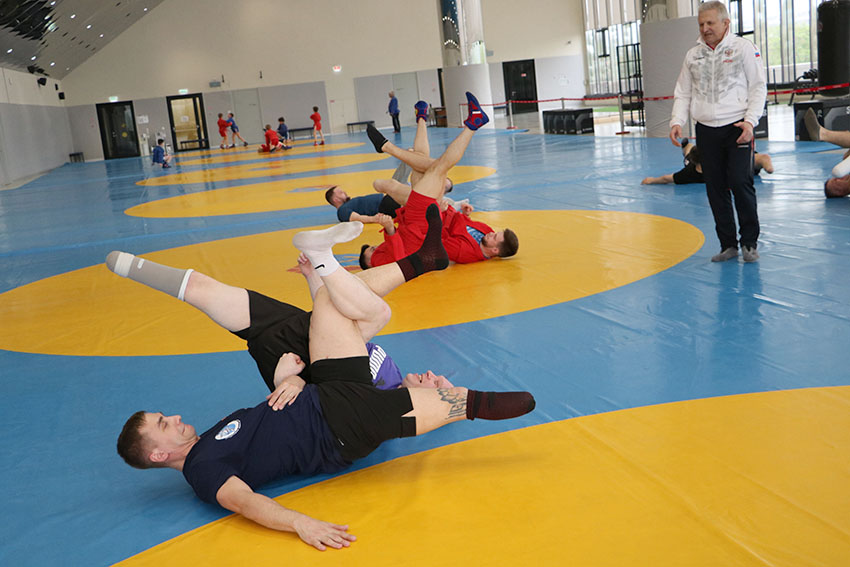
– Which exercise stood out most?
“Something called 'Gypsy wrestling.' I spent nine years in SAMBO and had never tried it before. You lie on your back, lock up with your partner using your arms and legs, and try to roll them over. Pure wrestling in its rawest form.”
Mikhail KHAKHALEV, a master of sport in military hand-to-hand combat, came to the session with the Muzhestvo sledge hockey team.
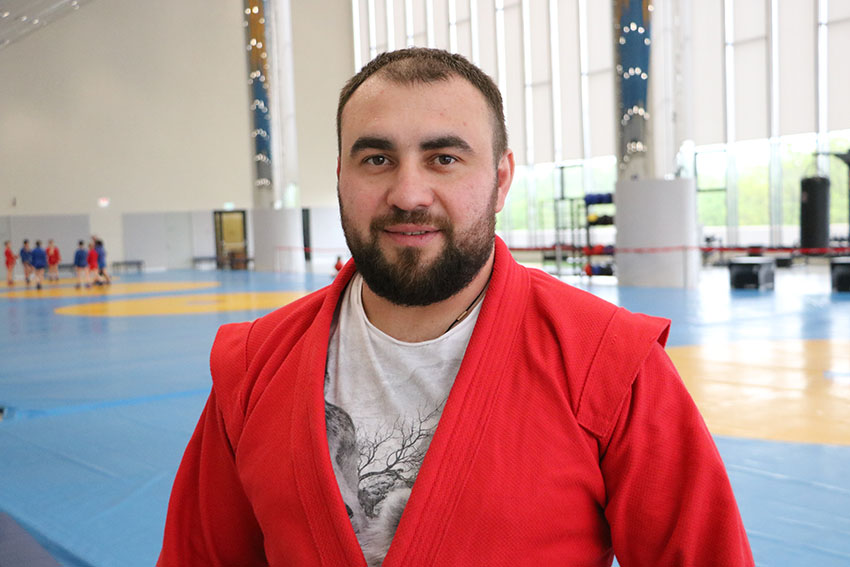
“SAMBO is a man's sport – homegrown, Soviet, ours. The session was brilliantly organized: an experienced coach who walked us through everything, and the facility itself is something else. An incredible mat area, great changing rooms – showers, everything you need. And I was personally thrilled by the weight room and all its equipment. But most of all, it was the atmosphere that made the day.”
– Some people worry that SAMBO might be dangerous given their limitations...
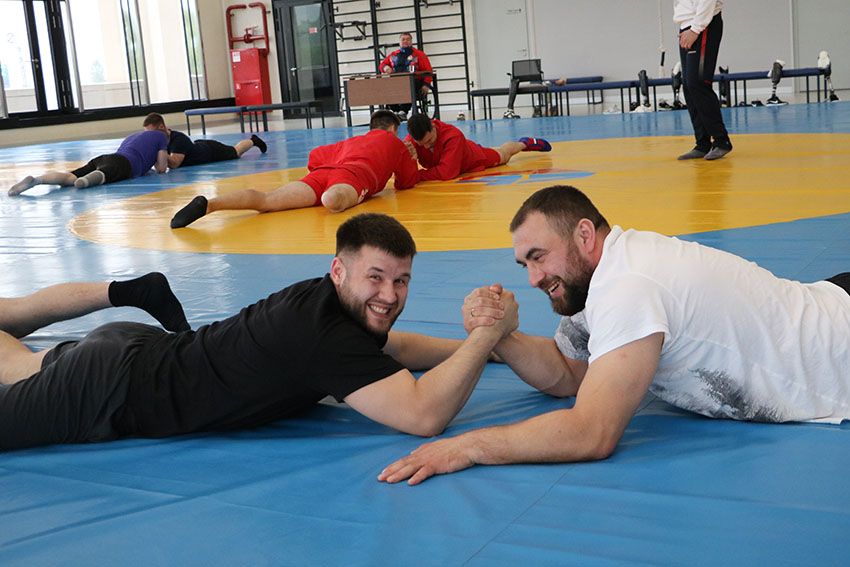
“Limitations are all in your head. Every sport has its risks – but people do sport to protect themselves, to become more capable, not less. What matters is remembering that sport is health. SAMBO is our sport, and the fight is our way of life. Every day you face challenges – that's the daily struggle. We keep moving, we keep growing.”
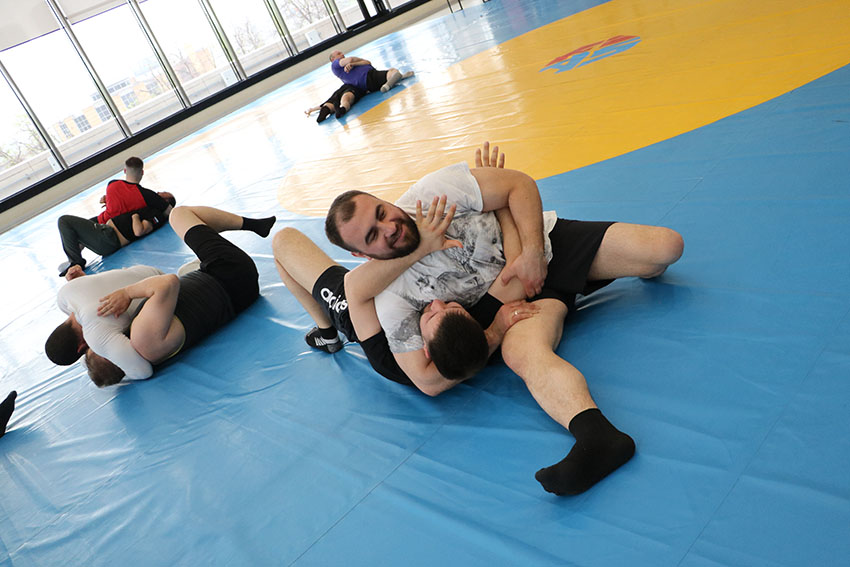
Mikhail also plans to bring more teammates into the fold.
“Our sledge hockey squad has 23 players, all with varying musculoskeletal conditions. We need to build endurance and overall fitness. So – we're going to compete!”
Sergey TABAKOV, professor and FIAS sports director, admits this was uncharted territory for him – but the participants' enthusiasm was infectious.
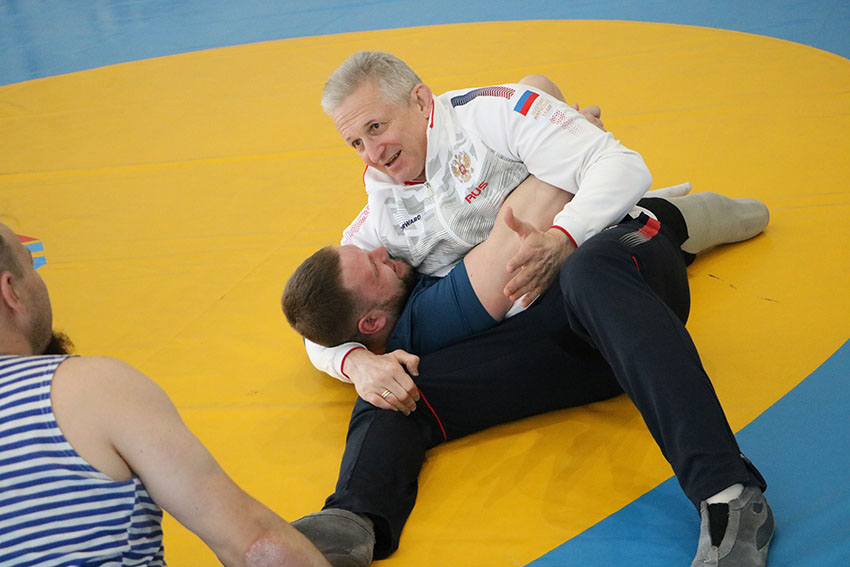
“We'd been trying to get this off the ground for quite a while. People would come forward wanting to help, but nothing ever took shape systematically – it always stayed fragmented. Today, though, everyone showed up like they were marching in formation: clear, focused, purposeful. The group was diverse – different ages, different backgrounds, different attitudes. I think I managed to inspire them, to paint a picture of where this could go.”
According to Tabakov, the gap between experienced athletes and beginners dissolved almost immediately on the mat.
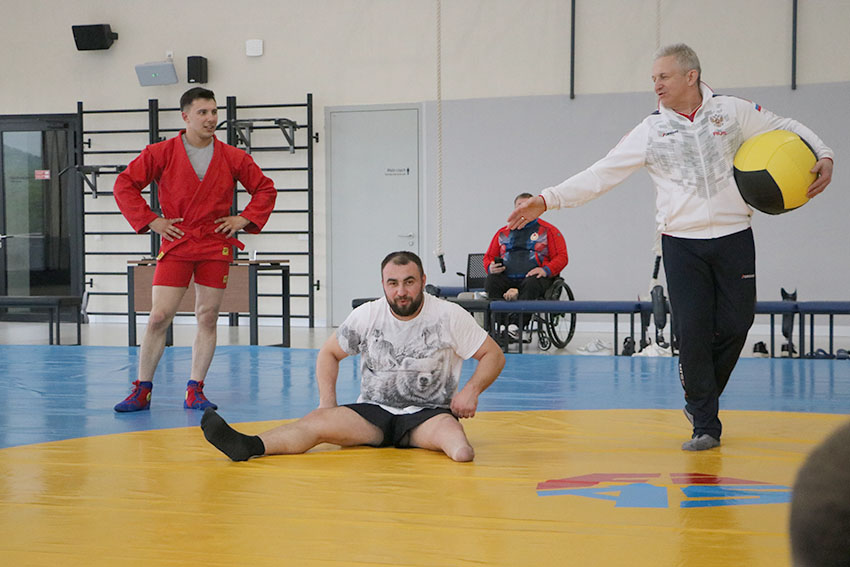
“Of all the participants, only two had a serious martial arts background – one in SAMBO, one in Greco-Roman wrestling and hand-to-hand combat. Everyone else had only done recreational sports. But the moment they hit the mat, that difference disappeared. People were engaging, going for small wins, showing real character. If someone chose to walk into a gym instead of reaching for a bottle – they've already made a decision that matters.”
– Will the sessions become regular?
“I really hope the guys catch the bug and keep coming. I told them honestly today: 'I've never worked with a group like this – and I genuinely want to explore what's possible here.' In my own way, I'm a calculated risk-taker. I can see that there's real potential to push people toward something great.”
– Could competitions be on the horizon?
“The guys asked that themselves. Why not? If jiujitsu tournaments exist for athletes with disabilities, I'm confident adaptive SAMBO has every chance of getting there too.”
Adaptive SAMBO at Luzhniki is only just beginning. But judging by the fire in participants' eyes, the coach's commitment, and the shared desire to grow the sport, the future looks bright. As one of the athletes put it: “The fight is life.” And life goes on – on the mat, in motion, and in the belief that you're capable of more than you think.
-
"Overcoming" 5 MayFIAS Backs Adaptive SAMBO Research Project for Children with Autism
-
"Overcoming" 29 AprilScott BAILEY: “What really stood out was the brotherhood you see through sport”
-
Did you see it? 18 DecemberSAMBO Federation Sri Lanka Meets with Minister of Youth Affairs and Sports
-
Competitions 13 SeptemberRussia Claims World Title in Beach SAMBO Team Event
-
Competitions 13 SeptemberDraw of Day 2 of the World Beach SAMBO Championships 2026 in Brazil
-
Competitions 13 SeptemberResults of Day 1 of the World Beach SAMBO Championships 2026 in Brazil
- Watch World Sambo Championships 2022. Bishkek, Kyrgyzstan 17 November 2022
-
Competitions 13 SeptemberRussia Claims World Title in Beach SAMBO Team Event
-
Competitions 13 SeptemberDraw of Day 2 of the World Beach SAMBO Championships 2026 in Brazil
-
Competitions 13 SeptemberResults of Day 1 of the World Beach SAMBO Championships 2026 in Brazil