
Blind SAMBO Takes a Giant Leap Forward: Roman Novikov on the Yerevan World Cup and the Road to the Paralympics
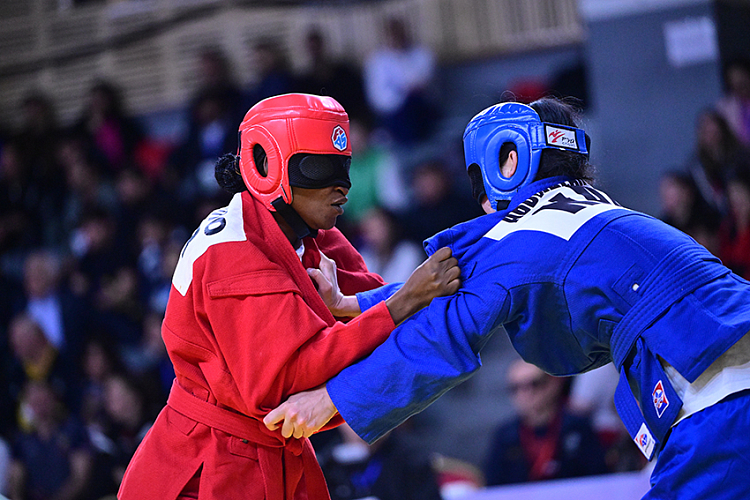
The World SAMBO Cup held in early April in Yerevan marked a historic milestone for Blind SAMBO. FIAS Vice President and Chair of the FIAS Commission for Athletes with Disabilities Roman Novikov reflects on what happened in Armenia – and what lies ahead for the discipline.
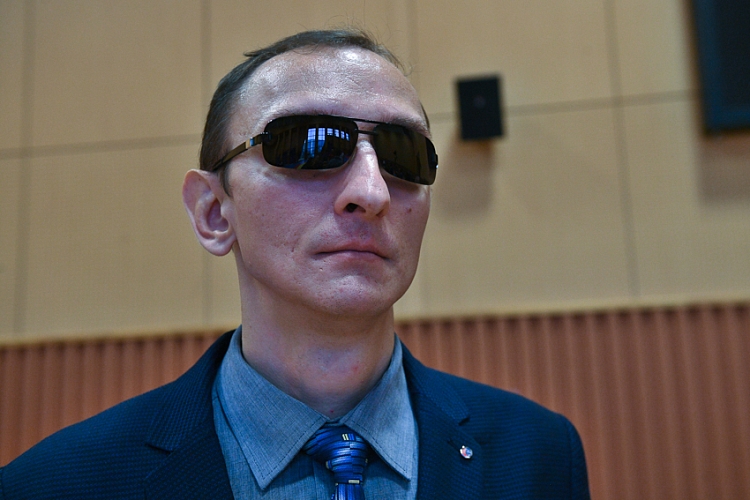
A Historic Debut
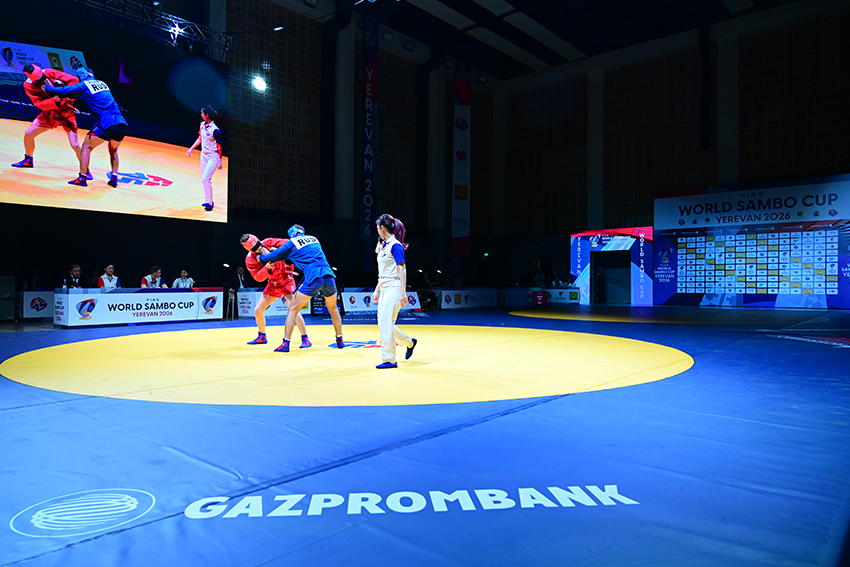
The 2026 SAMBO World Cup in Yerevan will be remembered for more than what took place on the mat. For the first time in the history of blind SAMBO, women competed at an international tournament under the FIAS banner. The question of including visually impaired women in international competition had long been building – and the moment had come for that debut to happen.
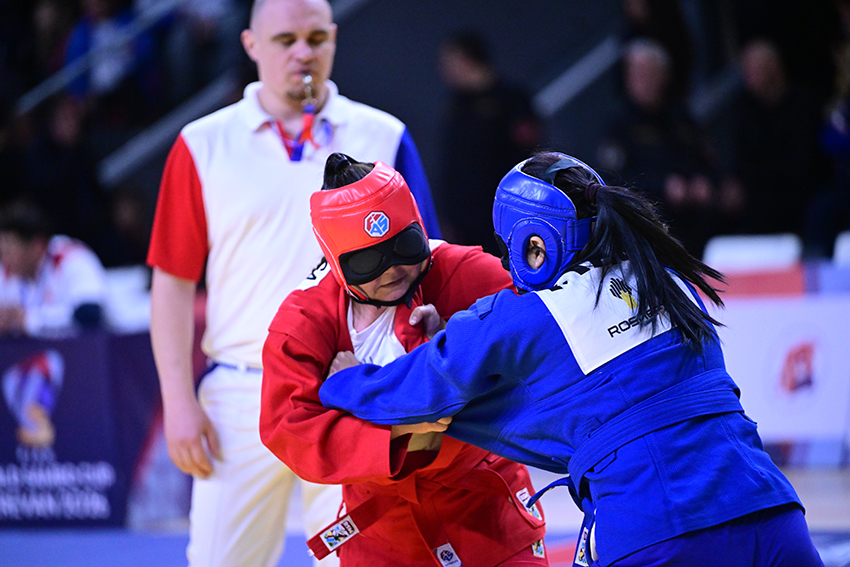
“The performance of the blind women was triumphant – it was vibrant, combative SAMBO,” said Novikov. “I believe that gender equality in Blind SAMBO is the foundation for the discipline's dynamic development at the international level and, ultimately, for its inclusion in the Paralympic Games programme.”
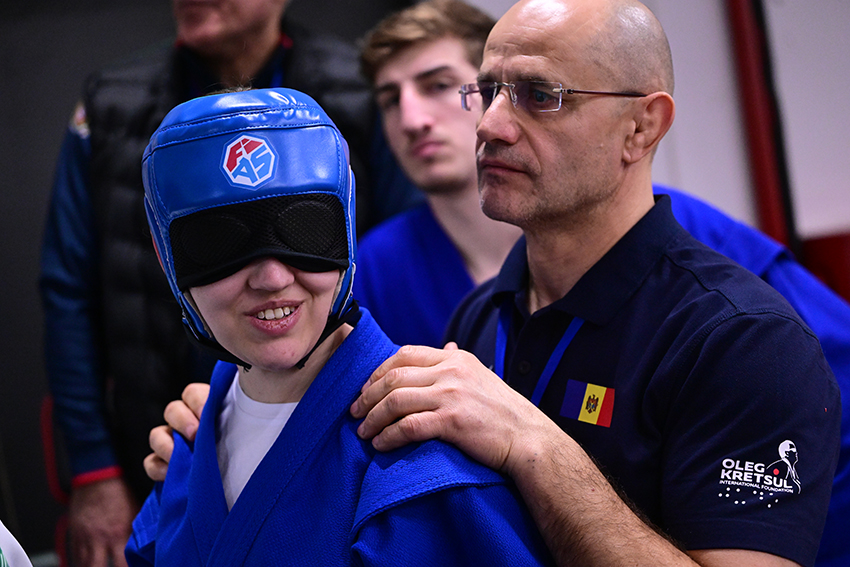
The FIAS Vice President also took a moment to recognise the host federation: “On behalf of the visually impaired athletes and their coaches, I want to express sincere gratitude to the SAMBO Federation of Armenia for the high level of organisation and, in particular, for the care shown towards blind athletes.”
Nigeria Steps onto the Podium
Among the individual stories of the Yerevan World Cup, one stood apart: a gold medal won by a visually impaired Nigerian athlete in the under-54 kg category. According to Novikov, sambist Rukayat Suleimon was visibly anxious before competition day – he had spent considerable time speaking with the Nigerian delegation during the classification process. On the mat, however, she was assured and impressive.
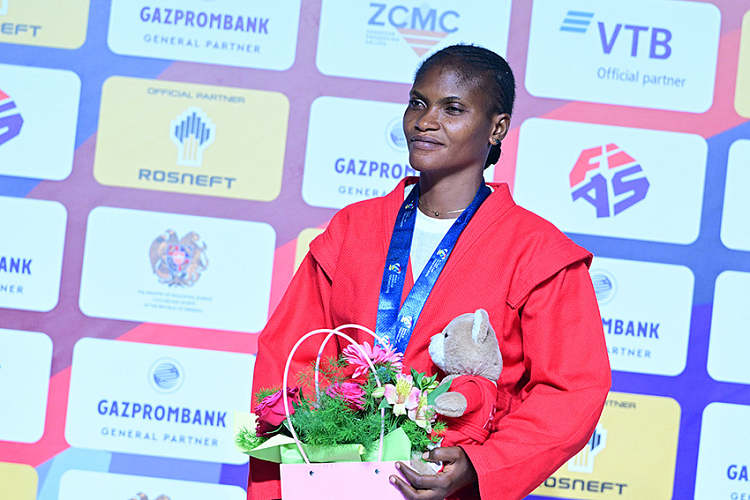
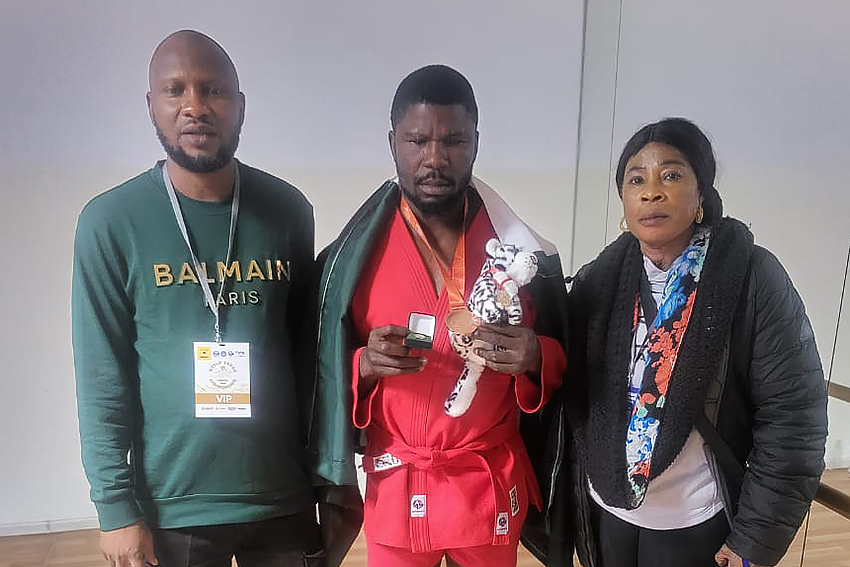
“This can no longer be called a one-off result,” Novikov stressed. “At the World SAMBO Championships in Bishkek, a blind athlete from Nigeria Sodiq Ajibade claimed bronze in the under-98 kg category. I believe Nigerian Blind SAMBO athletes have not yet shown their full potential – and they will make themselves heard again.”
Novikov was also keen to highlight the contribution of Sherrif Hammed, Vice President of the SAMBO Federation of Nigeria, whose consistent work developing the discipline for visually impaired athletes in the country is beginning to bear real fruit.
Who Sets the Standard – and Who to Watch
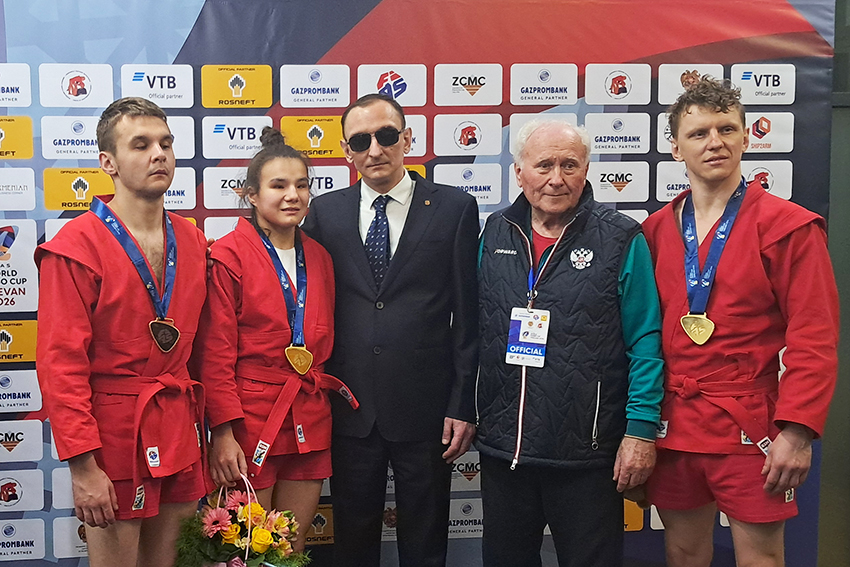
Russia's national Blind SAMBO team remains the benchmark for the rest of the world. In Yerevan, they claimed almost every gold medal on offer – a result Novikov described as entirely deserved. Among the standout individual performances on the Russian side, he singled out Alsu Nasyrova's victory in the under-59 kg category, noting that her nerves before competition were no less intense than those of the Nigerian champion.
Surveying the broader picture, the FIAS Vice President identified several nations showing clear upward momentum: Georgia improving with every competition, Moldova producing strong and competitive SAMBO, Uzbekistan appearing in finals with increasing regularity and displaying technical, determined wrestling. Mongolia, in his view, has yet to reach its ceiling.
Looking further ahead, Novikov pointed to a group of countries with solid foundations for future success: the United Kingdom, Australia, New Zealand, Greece, Spain, the United States, South Korea, and Japan.
“I believe that in the not-too-distant future we will see blind athletes from these countries on the podium. It is quite possible that strong debut performances at upcoming international Blind SAMBO competitions are not far away,” he said.
From World Championships to World Cup: The Push for Full Integration
Blind SAMBO athletes have been permanent fixtures at the World SAMBO Championships, have competed at continental championships, and have featured in multi-sport events. The Yerevan World Cup marked their debut at that competition. For Novikov, the direction of travel is clear.
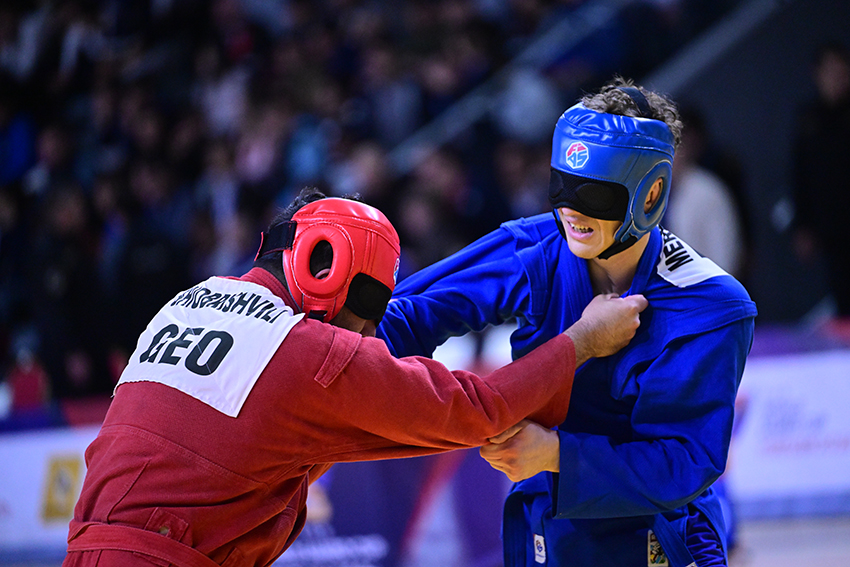
“Blind SAMBO should, in time, be present at every event on the FIAS calendar. We are moving towards that goal step by step,” he said. The principal force driving this acceleration, in his view, is FIAS President Vasily Shestakov: “Without the particular attention of the FIAS President, it would have been impossible to move forward at this pace.”
Diplomacy on the Sidelines
Major competitions serve as more than sporting arenas – they are platforms for institutional dialogue. Roman Novikov held a meeting with Hakob Abraamyan, President of the Paralympic Committee of Armenia. The two had previously met at the IPC General Assembly in Seoul in 2025, but Yerevan provided the setting for a more substantive conversation – one focused on forms of cooperation for developing and promoting Blind SAMBO in Armenia.
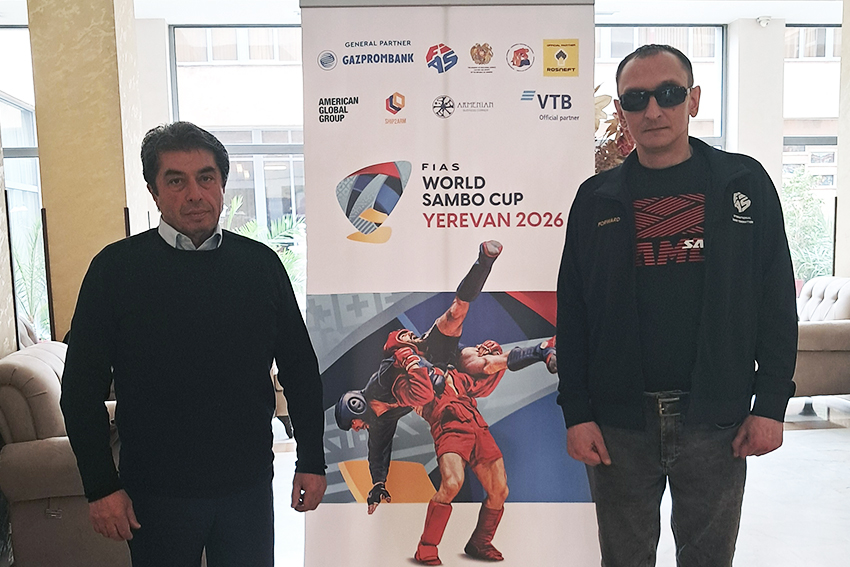
“I consider this a good example for national SAMBO federations and national Paralympic committees,” said Novikov, pointing out that FIAS was recognised by the International Paralympic Committee in 2025.
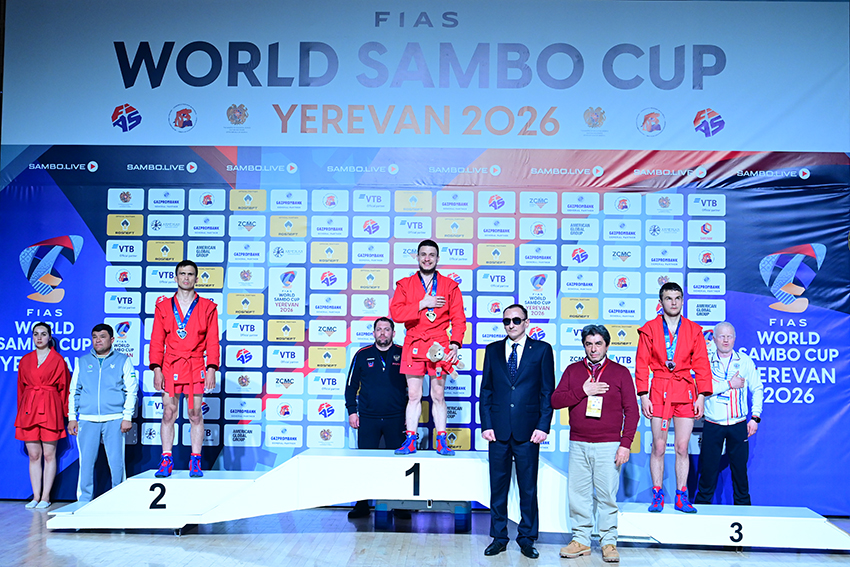
When meeting with representatives of national federations, he consistently offers the same practical advice: “Bring one blind person to a SAMBO gym and start training with him. Others will follow when they hear their visually impaired friend succeeding. The blind community is close-knit – news travels fast within it, sometimes faster than the internet.”
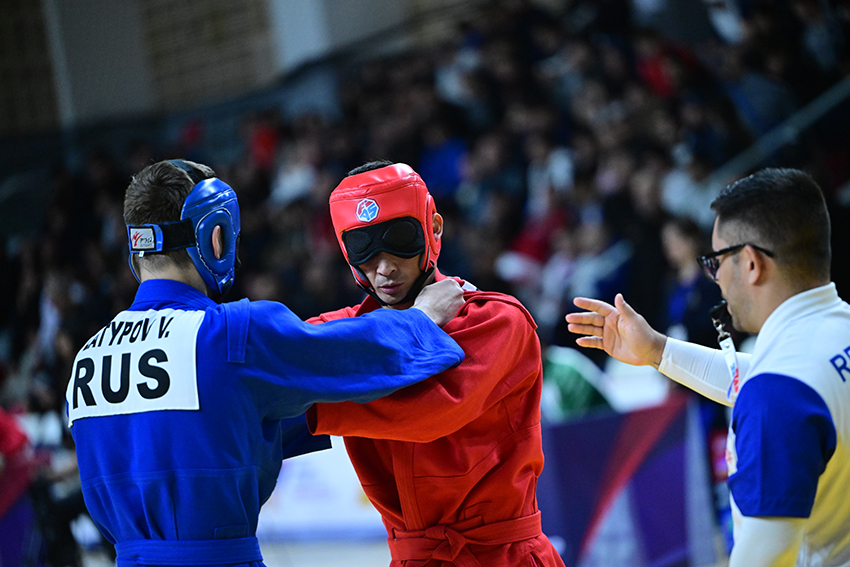
November in Uzbekistan: The Jubilee World SAMBO Championships
The landmark event on the horizon is the 50th World SAMBO Championships, set to take place in Uzbekistan in November. Blind SAMBO athletes will compete across five weight categories, with two new women's categories added to the programme.
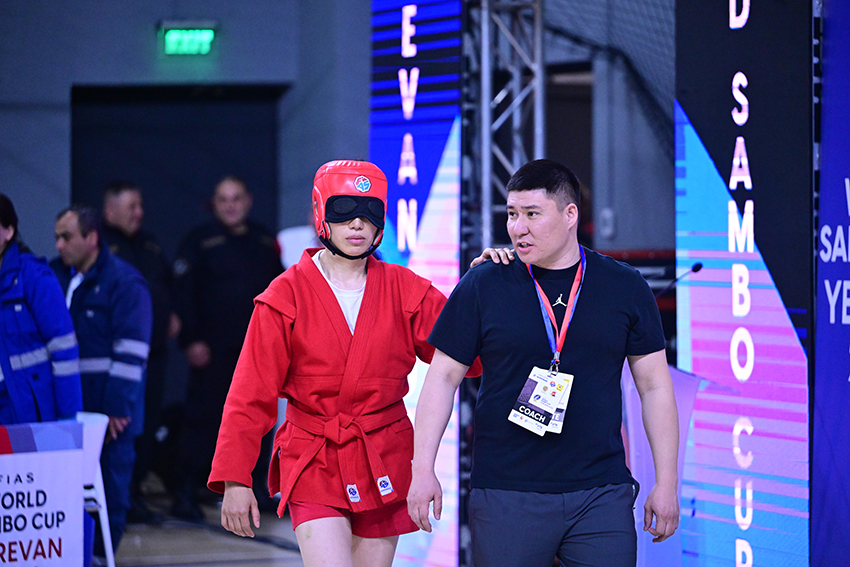
For Novikov, the jubilee championship carries a personal weight that goes beyond the significance of the round number. “There is a certain nervousness – a sense of responsibility for the performance of visually impaired athletes,” he admitted. “When the Blind SAMBO finals are under way at the World Championships, I worry intensely that no one gets hurt. Only when the last final is over can I finally breathe. During the finals, I sometimes feel I would rather be on the mat myself than stand there watching the seconds drag by.”
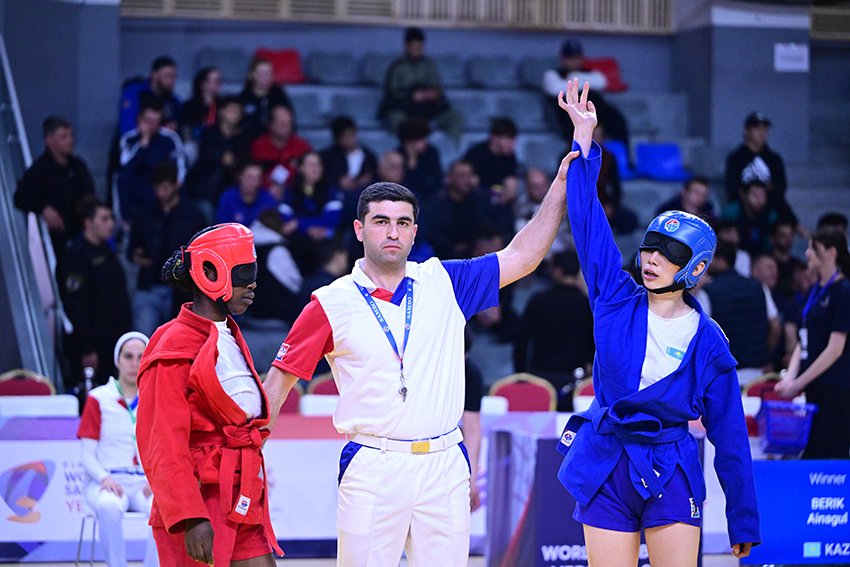
He is confident, nonetheless, that the event will be delivered at the highest level. “Years will pass, and everyone who was at the jubilee World SAMBO Championships will look back on these moments with warmth and nostalgia – moments that are still waiting for all of us to experience.”
-
"Overcoming" 5 MayFIAS Backs Adaptive SAMBO Research Project for Children with Autism
-
"Overcoming" 29 AprilScott BAILEY: “What really stood out was the brotherhood you see through sport”
-
Did you see it? 18 DecemberSAMBO Federation Sri Lanka Meets with Minister of Youth Affairs and Sports
-
Federations 19 OctoberFirst Beach SAMBO Tournament Under Youth Development Project Held in Venezuela
-
Personalities 16 OctoberLucia Borregales and Luisaigna Campos on Their World Cadet, Youth & Junior SAMBO Championships Medal and Faith in Each Other
-
Anti-doping 15 OctoberITA to Host Webinar on Athlete Voice, Trust and Integrity in Sport
- Watch World Sambo Championships 2022. Bishkek, Kyrgyzstan 17 November 2022
-
Federations 19 OctoberFirst Beach SAMBO Tournament Under Youth Development Project Held in Venezuela
-
Personalities 16 OctoberLucia Borregales and Luisaigna Campos on Their World Cadet, Youth & Junior SAMBO Championships Medal and Faith in Each Other
-
Anti-doping 15 OctoberITA to Host Webinar on Athlete Voice, Trust and Integrity in Sport